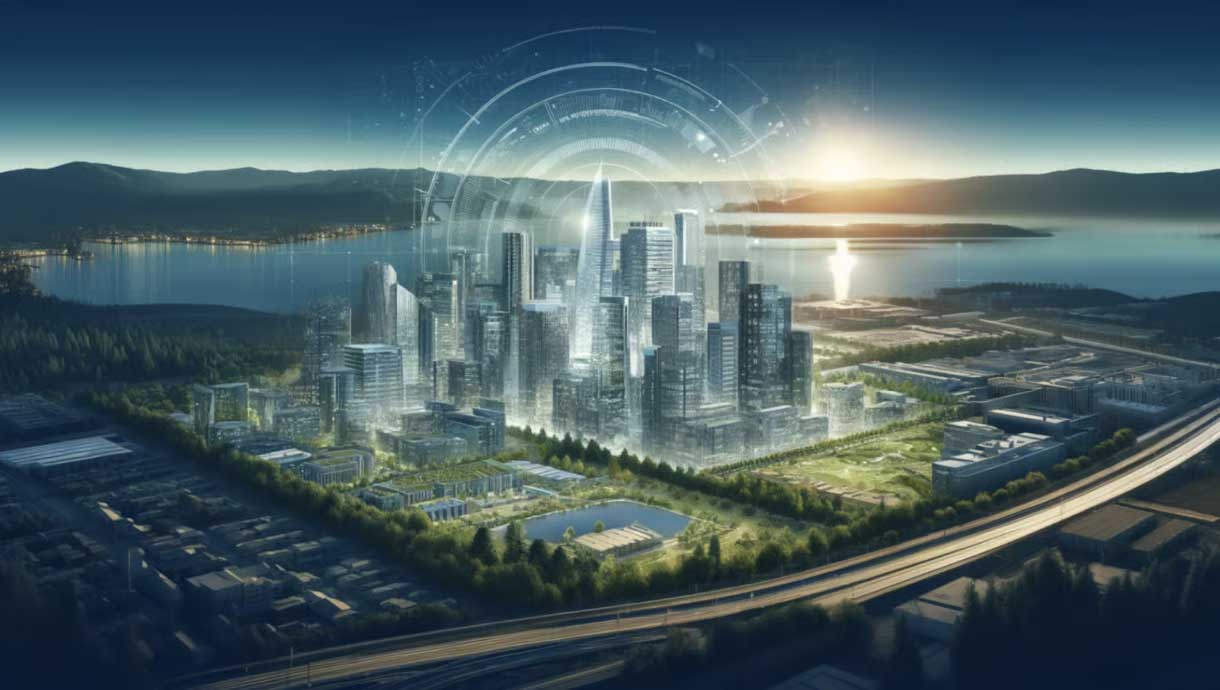
When people talk about the future of real estate, the conversation usually centers around interest rates, home prices, or whether the market is “up” or “down.” But the real transformation happening in housing goes much deeper than that.
The future of real estate is being shaped by how people want to live—not just where they want to live.
For decades, homes were designed around fairly predictable patterns. People commuted to work five days a week, formal dining rooms were important, and houses were primarily viewed as long-term places to live and build equity. Today, those lines are rapidly blurring.
Homes are now offices, gyms, entertainment spaces, content studios, vacation properties, and income-producing assets all at once.
Remote and hybrid work changed the value equation almost overnight. Buyers began prioritizing flexible layouts, dedicated office space, stronger internet connectivity, and lifestyle-oriented locations over proximity to downtown office towers. Suddenly, people cared less about commute times and more about how a home made them feel on a daily basis.
At the same time, technology is reshaping the buying and selling process itself.
Artificial intelligence is beginning to influence everything from pricing strategies and marketing to property searches and customer communication. Buyers can now tour homes virtually, receive personalized listing recommendations, and gather neighborhood data instantly. Sellers have access to tools that help predict buyer behavior and maximize exposure online.
But despite all the technology, the human side of real estate may actually become more important—not less.
As more information becomes automated, consumers increasingly value expertise, trust, negotiation skills, and local insight. The role of a real estate professional is shifting from “gatekeeper of listings” to advisor, strategist, marketer, and problem solver.
Design trends are evolving too. The future home is likely to prioritize experience over excess.
Buyers are becoming more intentional about how spaces function. Oversized formal rooms are giving way to flexible living spaces. Outdoor areas are becoming extensions of the home itself. Wellness-focused features like natural light, walkability, energy efficiency, and quieter surroundings are becoming more desirable than purely cosmetic upgrades.
Short-term rentals have also changed consumer expectations. Many buyers now expect homes to feel curated and hospitality-driven, even in traditional residential settings. Features once associated with boutique hotels—spa-like bathrooms, mood lighting, coffee bars, luxury bedding, and outdoor gathering spaces—are increasingly influencing residential design.
Meanwhile, affordability challenges are forcing the industry to adapt in other ways. Smaller homes, multigenerational living, accessory dwelling units, and build-to-rent communities are becoming more common responses to rising housing costs.
The future of real estate will not be defined by a single trend. It will be shaped by a combination of technology, lifestyle shifts, design evolution, and changing consumer priorities.
But one thing is unlikely to change: people will always want homes that create a sense of comfort, identity, and connection.
Real estate has never been just about property. At its core, it’s about how we live. And that is exactly why the future of real estate remains so fascinating.